
• About
  • Contact
  • Privacy policy
No Result
View All Result
Central Eastern Europe News

CENTRAL EASTERN EUROPE NEWS

  • Macroeconomics
  • Infrastructures
  • Defence
  • Agriculture
  • Energy
  • Politics
  • Logistics
  • Macroeconomics
  • Infrastructures
  • Defence
  • Agriculture
  • Energy
  • Politics
  • Logistics
No Result
View All Result
Central Eastern Europe News
No Result
View All Result

The 2026 Olympic medal picture: “snow powerhouses” in front, and Central and Eastern Europe hunting for a breakthrough

2026/02/10
in Culture

After the first stretch of competition, the medal table is led by the usual winter-sport heavyweights. Norway tops the standings with 3 gold, 1 silver and 2 bronze medals (6 in total), just ahead of Switzerland with 3 gold, 1 silver and 1 bronze (5). Japan sits high on 2 gold, 2 silver and 3 bronze (7), while Germany has 2 gold, 1 silver and 1 bronze (4). The United States has started with 2 gold medals (2 in total). Austria follows with 1 gold and 3 silver medals (4), and Italy has built the biggest overall haul so far—1 gold, 2 silver and 6 bronze (9). In the next group, Czechia has 1 gold and 1 silver (2), while France, the Netherlands and Sweden each have 1 gold and 1 silver (2 apiece). China and South Korea each stand on 1 silver and 1 bronze (2). New Zealand, Poland and Slovenia have each collected 1 silver medal (1). Canada has 2 bronze medals (2), and Bulgaria has 1 bronze (1).

From a Central and Eastern European perspective, this is a familiar early-olympics pattern. The opening wave of events tends to reward countries with a broad “medal net” across alpine, Nordic, speed-skating and sliding disciplines, and those nations can stack results quickly. For our region, the start is more selective: there are clear high points and valuable podiums, but not yet the kind of multi-sport momentum that produces a rapid climb up the table.

Still, the story is far from finished. As the programme shifts and more competitions arrive in disciplines where Central and Eastern European teams traditionally have stronger shots at podiums, the middle of the table can change quickly. What matters now is converting strong performances into repeatable results—because once a team starts to string together finals, the medal count can move from “a promising beginning” to a real surge in just a couple of days.

Author

  • ceenewsadmin
    ceenewsadmin

ShareTweet

Follow us

845.3K Followers

25K Fans

19.9K Subscribers

Popular Stories

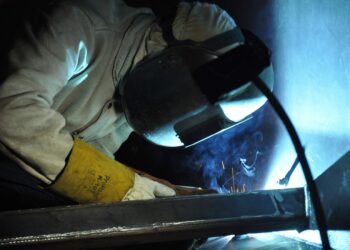
  • Welder. Illustrative

    Hungary Wins €30m Military Manufacturing Deal

    0 shares
    Share 0 Tweet 0
  • Chopin’s lasting influence on Polish Culture

    0 shares
    Share 0 Tweet 0
  • North Macedonia: an Economic Boom in a Nutshell

    0 shares
    Share 0 Tweet 0
  • Is European Defence Up To It?

    0 shares
    Share 0 Tweet 0
  • Growing Without Soil: The Rise of Aquaponics and Hydroponics in CEE

    0 shares
    Share 0 Tweet 0

Publisher

Fundacja Action-Life
Ul. Jodłowa 23B
02-907 Warszawa

kontakt@fundacjaactionlife.pl

Last posts

Sungrow to build its first factory in Europe. Investment in Wałbrzych expected to create about 400 jobs

The 2026 Olympic medal picture: “snow powerhouses” in front, and Central and Eastern Europe hunting for a breakthrough

Belgorod Without Heating After Infrastructure Damage. Authorities Consider Evacuating Children and Seniors

More Balloons from Belarus Enter Polish Airspace. Military: No Threat

Information

Dofinansowano ze środków z budżetu państwa ogólna rezerwa budżetowa.
Zadanie: Rozwój działań Centrum Medialnego Fundacji Action-Life zostało sfinansowane ze środków budżetu państwa z ogólnej rezerwy budżetowej.
Dofinansowanie:
2 481 140,00 zł.
Całkowita wartość zadania:
2 481 140,00 zł.
Data podpisania umowy: 3.04.2023 r.

  • About
  • Contact
  • Privacy policy

No Result
View All Result
  • Macroeconomics
  • Infrastructures
  • Defence
  • Agriculture
  • Energy
  • Politics
  • Logistics